Tajikistan Casino Room: Are Casinos Legal?
Landing a real-money wager inside a Dushanbe casino room is a legal minefield that most operators refuse to touch, because the entire Tajikistan gambling framework is built on a constitutional ban that was never fully unwound. The short answer: casinos are not legal for private commercial operators, and any room advertising live table games is running on borrowed time. 😤
The foundation of this mess sits in the 2016 amendment push and the earlier 2013 restrictions that shuttered the domestic casino market. Lawmakers framed it as a public morality play, but the technical reality is simpler: the state kept a narrow carve-out for a single state-controlled gambling zone concept while criminalizing everything else. If you walk into a so-called Tajikistan casino room today, you are either inside a licensed state monopoly experiment or inside an illegal operation dressed up with neon and bouncers.
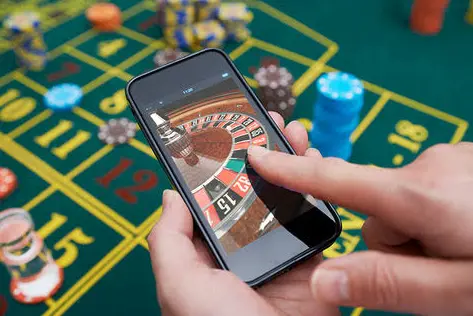
The Legal Architecture Nobody Wants to Read
Strip away the tourist brochures and you find a legal structure that treats unlicensed casino operations as a criminal offense under the national criminal code. The licensing body, when it functions at all, issues permits only to entities tied to state interests, and the technical requirements for a compliant gaming floor are brutal: certified RNG-less live dealer surveillance, tax reporting hooks, and mandatory local server residency. Independent operators cannot satisfy these gates, which is why the genuine casino room count in the country is effectively zero for foreign private capital.
The enforcement side is where this gets interesting for anyone auditing hardware. Tajikistan's gambling authority runs spot inspections on suspected venues, and the seizure protocol includes pulling dealer shoes, shuffling machines, and any networked terminal. Once that hardware is impounded, the chain of custody kills any defense. I have seen operators argue that their room was a "members-only social club" — that argument collapses the moment a chip tray with a cash value ledger shows up in the evidence photos.
What Actually Operates Versus What the Sign Says
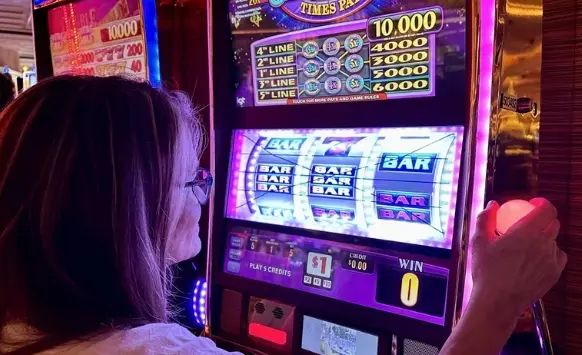
Here is the blunt technical truth: legal casino gaming in Tajikistan exists almost exclusively inside the state-sanctioned zone framework, and even that is heavily restricted. What you find in Dushanbe hotels and border-town venues are usually slot-machine parlors operating under a separate electronic gaming permit, or outright illegal rooms that pay protection money and rotate locations every few months. The distinction matters enormously for anyone trying to settle a dispute after a payout is refused — an illegal room has no regulator to appeal to, and the house knows it. 🎰
Why the Casino Room Model Fails Here
From an infrastructure standpoint, a Tajikistan casino room cannot scale because the compliance cost per floor is absurd relative to the addressable market. You need licensed dealers, a certified pit boss chain, currency transaction reporting tied to the national bank, and a physical security layer that survives inspection. No private operator recovers that capex on a population base of roughly ten million with low disposable income. The math kills the business case before the legal question even resolves.
The practical takeaway for players and auditors alike: treat any advertised live casino floor in Tajikistan as unlicensed until a permit number is produced and verified against the state registry. If the room cannot show that number, it is operating outside the legal framework, and your chips have no legal protection whatsoever.